Bioethanol Fuel & Accessories
-
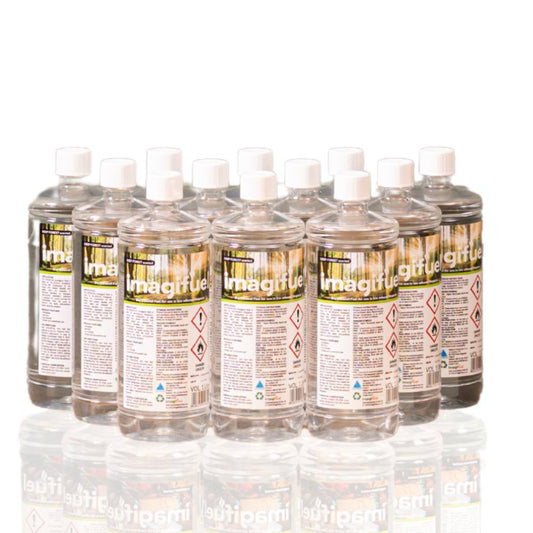
Biofuel Christmas Scent (12 pack)
Regular price £52.99Regular price£64.99Sale price £52.99Sale -
Biofuel Low Odour (12 pack)
Regular price £46.99Regular price£59.99Sale price £46.99Sale -
Biofuel Mixed Scents (6 pack)
Regular price £29.99Regular price£39.99Sale price £29.99Sale -
Biofire Log Set (Birch)
Regular price £49.99Regular price£54.99Sale price £49.99Sale -
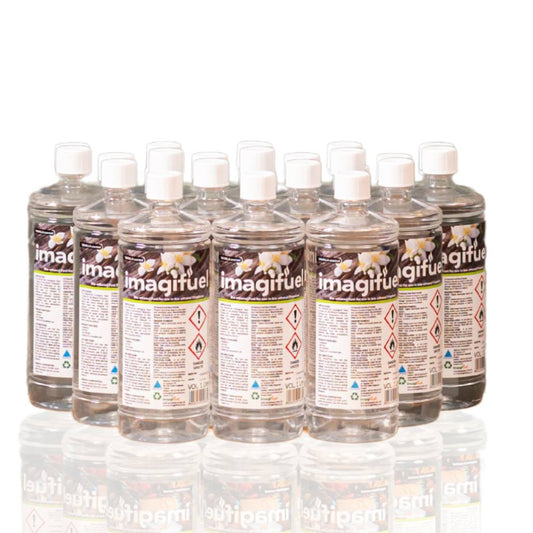
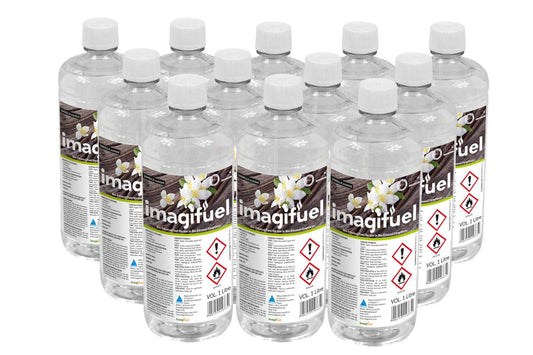
Biofuel Vanilla (12 pack)
Regular price £52.99Regular price£64.99Sale price £52.99Sale -
 Sold out
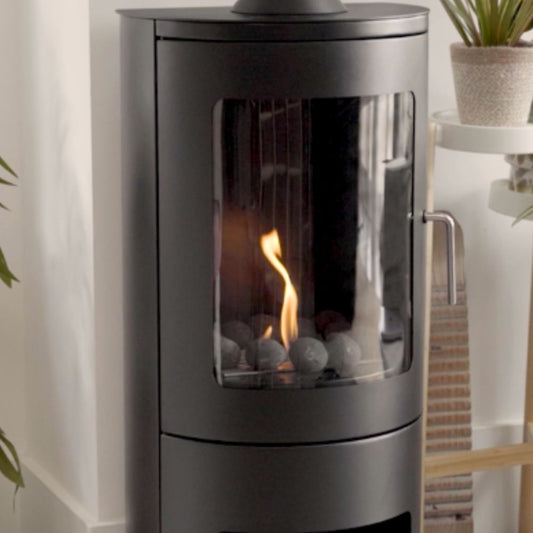
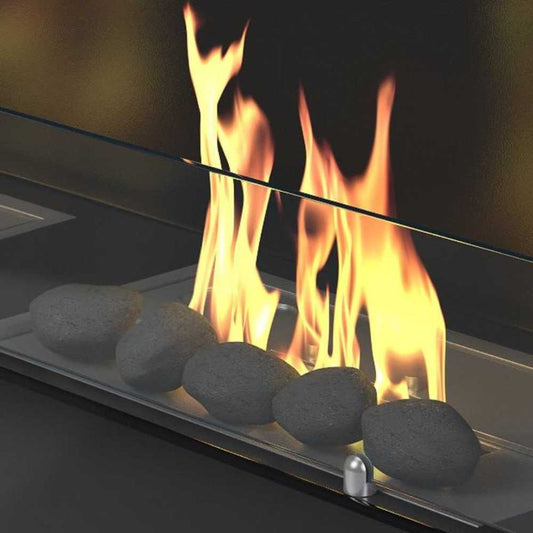
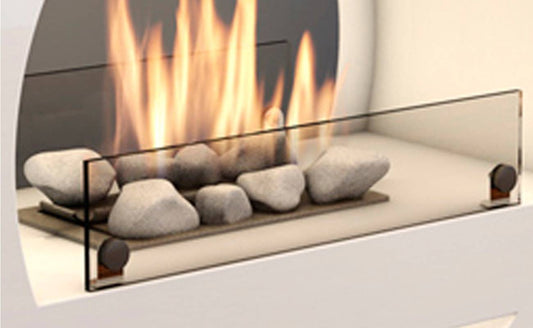
Biofire Pebbles (Black)
Regular price £29.99Regular price£34.99Sale price £29.99Sold out -
Biofire Log Set (Large)
Regular price £49.99Regular price£54.99Sale price £49.99Sale -
Biofire Log Set (Small)
Regular price £29.99Regular price£34.99Sale price £29.99Sale -
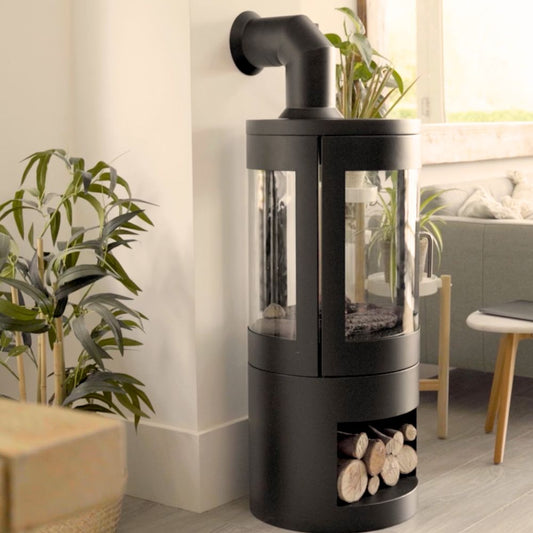
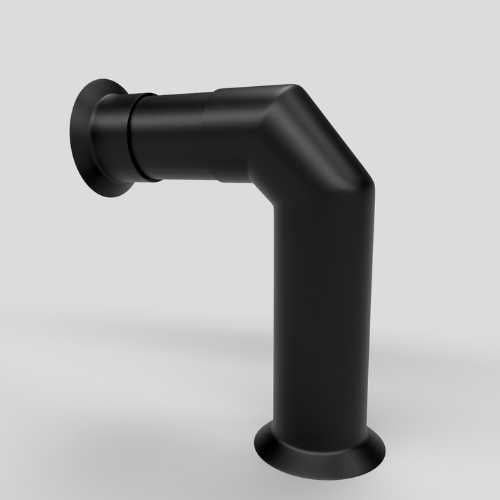
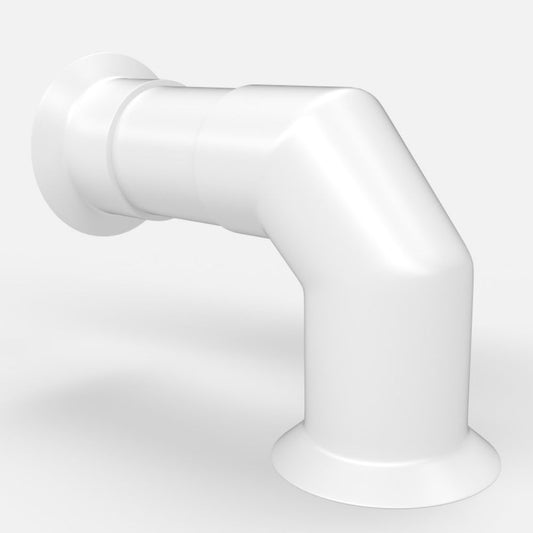
False Flue (Small)
Regular price £129.99Regular price£159.99Sale price £129.99Sale -
False Flue (Large)
Regular price £149.99Regular price£179.99Sale price £149.99Sale -
Biofire Pebbles (White)
Regular price £29.99Regular price£34.99Sale price £29.99Sale -
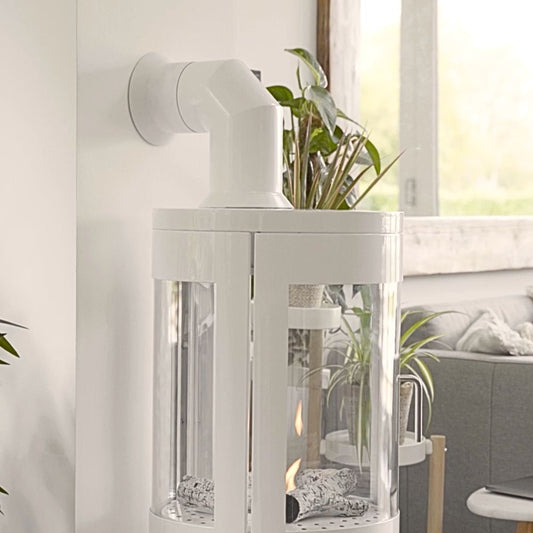
White Flue (Small)
Regular price £129.99Regular price£159.99Sale price £129.99Sale -
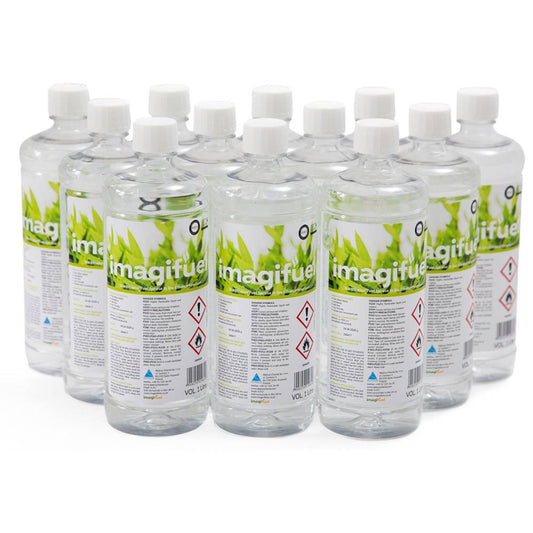
Biofuel Forest (12 pack)
Regular price £52.99Regular price£64.99Sale price £52.99Sale






Your burning questions, answered
-
Are bioethanol fuel bottles recyclable?
-
What can you expect when burning imaginfires’ bioethanol fuel?
-
Are bioethanol fires more eco-friendly than coal fires or woodburners?
-
How much heat will my Imaginfires biofuel fireplace generate?
-
Do bioethanol fireplaces give off real heat?
-
Do bioethanol fires produce heat?
-
Are bioethanol fires an efficient way to heat a room?
-
Where can I buy bioethanol fuel?
-
What is liquid bioethanol fuel?
-
What is bioethanol fuel made of?
-
What is bio ethanol fireplace fuel
-
How do you properly dispose of empty bioethanol fuel bottles?
-
How do you safely dispose of bioethanol fuel?
Further reading
-

Are Bioethanol Fireplaces Cost-Effective?
-

Bioethanol Fuel Longevity: How Long Does It Really Last?
-
 Biofires
Exploring Benefits of Bioethanol Fireplaces: Are They Worth It?
-
 Biofires Woodburners
Wood Burners vs Bioethanol Fireplaces: Updated 2026 Comparison Guide
-
 Accessories Biofires
Bioethanol Fuel now in 12 packs.


Patented ‘no-spill’ fuel box
Patent GB2555760. Fuel can’t spill if knocked.
Independently certified
Tested to BS EN 16647 safety standard.
Designed in the UK
Designed and engineered in-house since 2009.
Real flickering flames
Produces genuine flames, no LED effects.
Free UK delivery
Delivered free within 5–7 working days.
2-year warranty
Included free with every fireplace.
Why more and more people are switching to bioethanol
Traditional fireplaces often cause more hassle than they’re worth. They can be expensive to install and run, and then there’s the smoke and ongoing maintenance to deal with. Bioethanol fires give you real flickering flames without any of the drawbacks. See how bioethanol compares to a traditional woodburner, gas fire, and electric fire below.
|
Bioethanol
|
|---|
|
Installation cost
|
|
Eco-friendly
|
|
Energy efficiency
|
|
Flexibility / portable
|
|
Install without flue pipe
|
|
Heat output
|
|
Flame control
|
|
Real flame
|
|
Easy to clean
|
|
Indoor & outdoor use
|
|
Running cost
|
|
Bioethanol
|
Woodburner
|
Gas
|
Electric
|
|---|---|---|---|
| £0 | £700 - £3,500 | £500 - £3,000 | £400 - £1,000 |
| High | Moderate | High | Moderate to High |
| Moderate | High | High | Moderate |
| 60p - 94p/hr | 60p - £1p/hr | 28p - 50p/hr | 12p - 50p/hr |

How to choose the right bioethanol fireplace
Bring the beauty of real flames into your home with our bioethanol fireplaces. You don’t need a chimney, flue or gas connection to install one – simply unpack, place into position, and light. Here's what to weigh up when choosing your model.
Help me choose my fireplace
Answer these three quick questions and we’ll shortlist the best models for your space.
Where will it go?
Which style do you prefer?
What’s your budget?
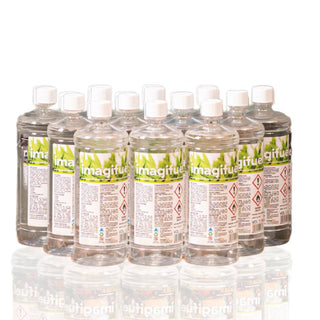
Biofuel Low Odour (12 pack)
Want to keep your bioethanol fireplace performing at its best? Trusted by thousands of UK homes, our premium low odour bioethanol fuel has a high purity rating of 96%+, helping ...
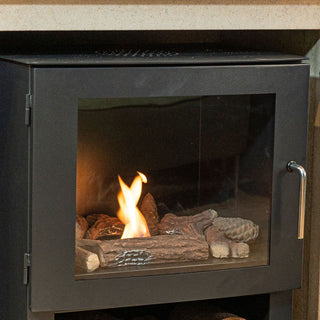
Biofire Log Set (Large)
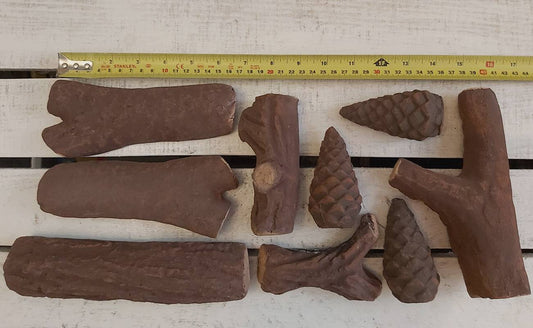
Ceramic Logs for Bioethanol Fires This set comprises a mixture of approximately 9 pine cones or ceramic logs for all Imaginfires bioethanol fires. They are a wonderful but simp...
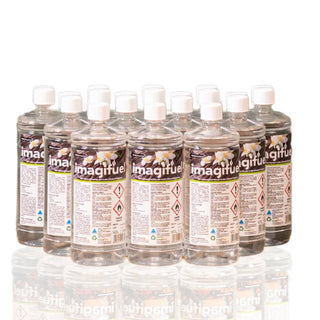
Biofuel Vanilla (12 pack)
Want your bioethanol fireplace to smell as good as it looks? Our vanilla scented bioethanol fuel gives off a fresh, comforting vanilla aroma that perfectly complements the warmt...
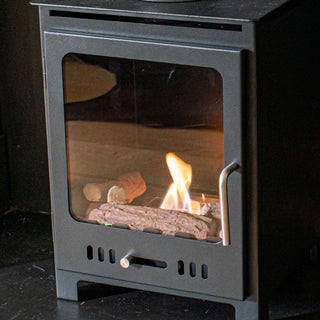
Biofire Log Set (Small)
***NOW AVAILABLE*** This set of 3 ceramic fireplace logs is a wonderful and easy way to enhance the look of your bioethanol fireplace if you are looking for something that look...
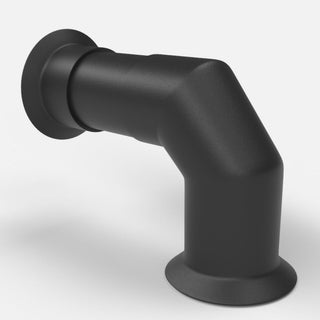
False Flue (Small)
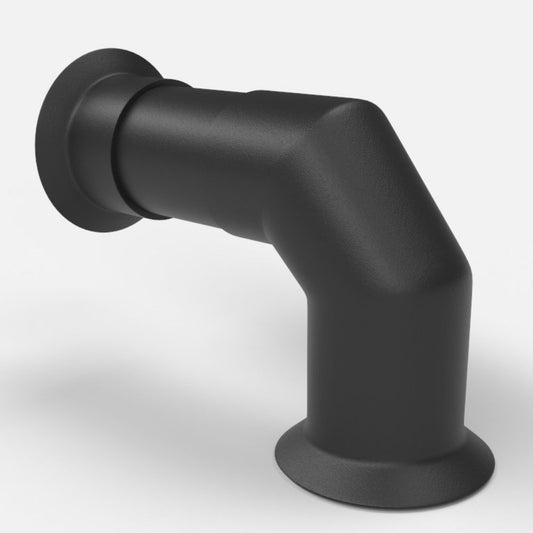
The new false flue range from imaginfires adds another level of authenticity to your woodburning style biofire. These new and exclusive flues are just as easy to set up and us...
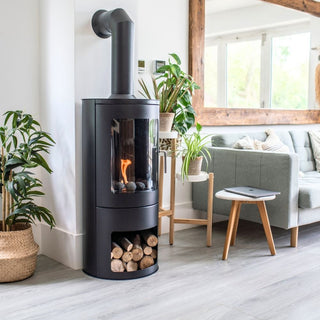
Burford
The Burford is the big brother of our bestselling Hampton model, with a sleek built-in log store to bring a touch of rustic Scandinavian charm into your home. With its curved fr...
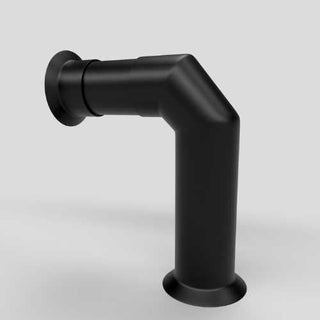
False Flue (Large)
The new false flue range from imaginfires adds another level of authenticity to your woodburning style biofire. These new and exclusive flues are just as easy to set up and us...
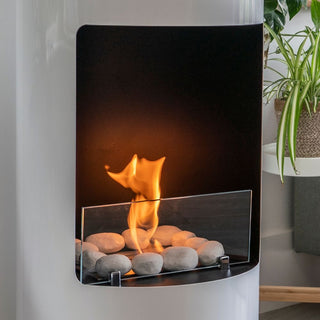
Biofire Pebbles (White)
These stones will add even more charm to your imagin bioethanol fire. Your biofire may not be properly dressed without them. Packed in bags of approximately 12 medium stones. P...
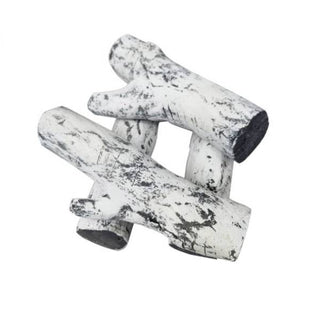
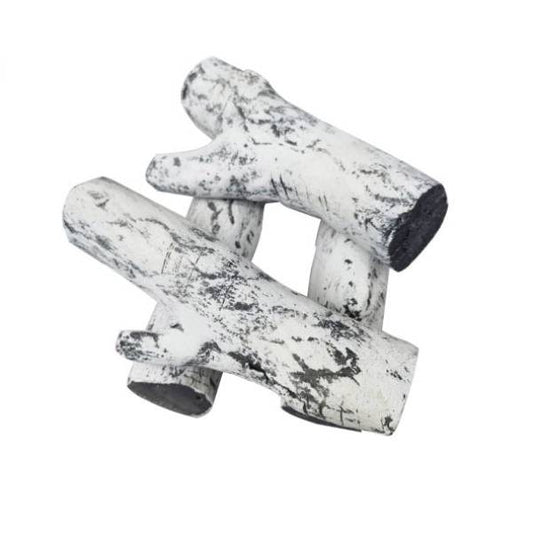
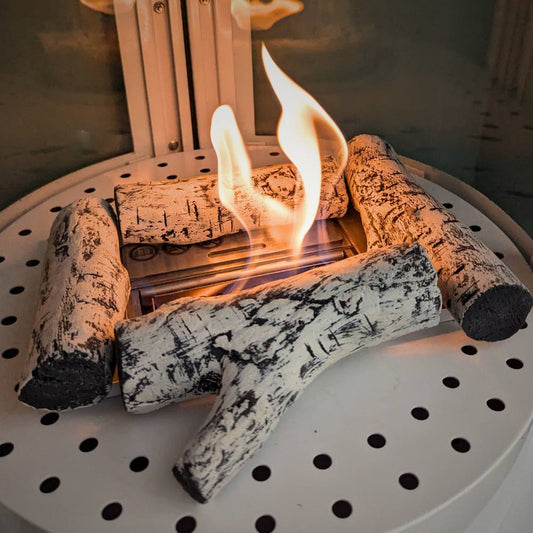
Biofire Log Set (Birch)
***NOW AVAILABLE*** Ceramic Logs for Bioethanol Fires This new set comprises 4 silver birch ceramic logs for all Imaginfires bioethanol fires. They are a wonderful but simple w...
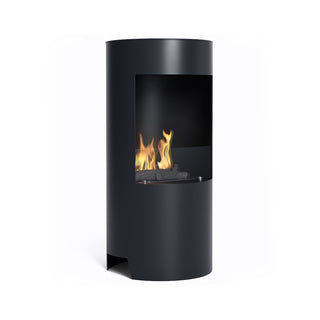
Stow Black
The Stow Black is one of our most striking Scandinavian-style designs. The smooth, sleek black cylinder and wide open front allow the flickering flames to take centre stage – b...
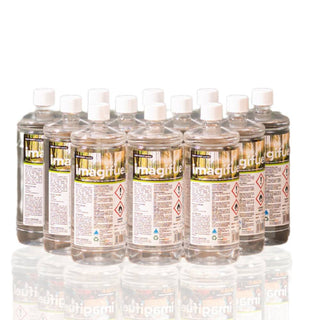
Biofuel Forest (12 pack)
Looking to add a gentle, woodland-inspired aroma to your bioethanol fireplace? Our forest scented bioethanol fuel releases a delicate pine fragrance that works in harmony with t...
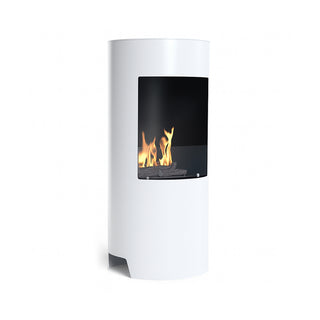
Stow White
The Stow White is one of our most striking Scandinavian-style designs. The smooth, sleek white cylinder and wide open front allow the flickering flames to take centre stage – b...
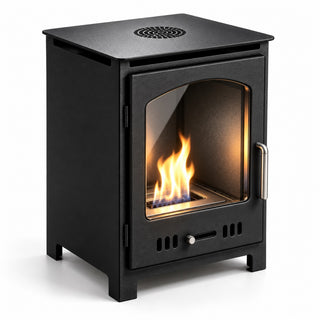
Bredon
The Bredon bioethanol fireplace is the slightly smaller version of the Malvern, blending the reassuring familiarity of a woodburner stove with the freedom and simplicity of bio...

Biofuel Mixed Scents (6 pack)
Our mixed scents bioethanol fuel pack gives you the freedom to switch fragrances without committing to 12 bottles of just one scent, making it easy to alter the ambience wheneve...
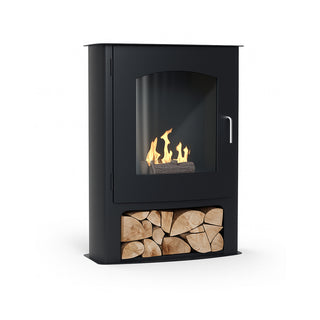
Pembrey
***AVAILABLE TO PRE ORDER FOR DELIVERY MID NOVEMBER*** If you love the timeless look of a traditional stove but don’t want the mess, maintenance, or cost that usually comes with...
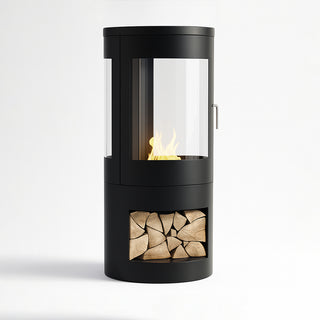
Howarth Black
If you’re drawn to the stylish, sleek look of traditional Scandinavian stoves, but want to avoid the mess, cost, and restrictions of woodburners, the Howarth could be the perfec...
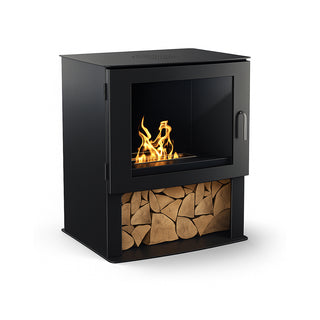
Ledbury
Love the woodburner look but don’t want to deal with the mess, smoke, or constant upkeep? The Ledbury mimics that classic log burner silhouette, bringing you real flickering fla...
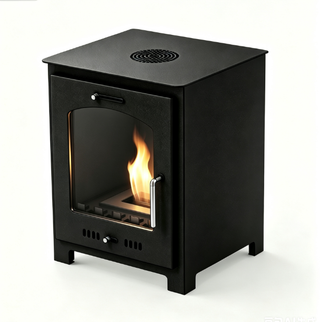
Malvern Black
The Malvern is one of our most versatile freestanding bioethanol fireplace stoves. With its clean lines, classic shape, and matte black finish, it effortlessly fits into any spa...
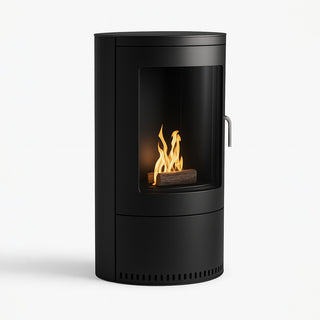
Hampton Black
The Hampton bioethanol stove is the younger relative of our popular Burford model, offering that timeless woodburner aesthetic but in a smaller, more space-saving form. This b...

Biofuel Christmas Scent (12 pack)
Our Christmas scented bioethanol fuel releases a warm, subtly spiced aroma reminiscent of cinnamon and cloves. Each litre provides at least 4 hours of burn time, making it perf...
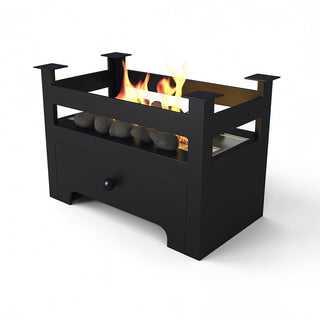
Anya
Looking for a quick and easy way to revive your unloved or disused fireplace, without needing to install a chimney or flue? This small bioethanol fireplace insert could be the p...
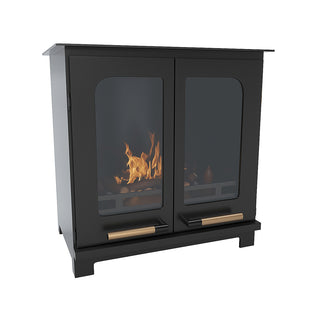
Kendal
Are you drawn to the refined simplicity of Scandi fireplace design? The Kendal bioethanol stove offers a cleaner and simpler way to enjoy the soft glow of real flames, with none...
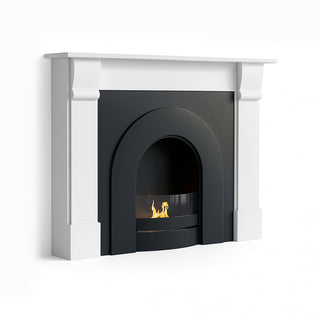
Broadway Suite
***NOW AVAILABLE*** If you’re drawn to the timeless look of a fitted fireplace, but don’t want to deal with the hassle or expense of building work, the Broadway bioethanol suite...
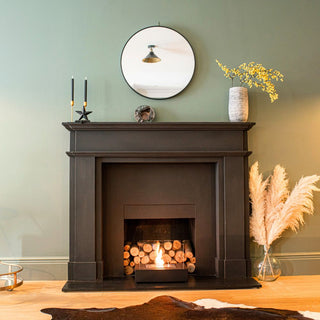
Eton Black
The Eton Biofire is a wonderful high grade stainless steel bioethanol fireplace insert with a gloss black surround. This easy to use bio-ethanol burner box is easily inserted ...
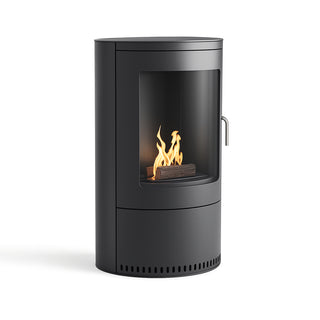
Hampton Grey
***AVAILABLE TO PRE ORDER FOR DELIVERY MID NOVEMBER*** The Hampton bioethanol stove is the younger relative of our popular Burford model, offering that timeless woodburner aes...
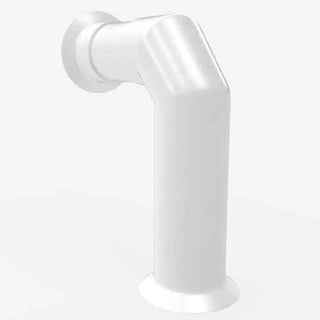
White Flue (Large)
The new large white false flue from imaginfires adds another level of authenticity to your woodburning style biofire. These new and exclusive flues are as easy to set up and u...
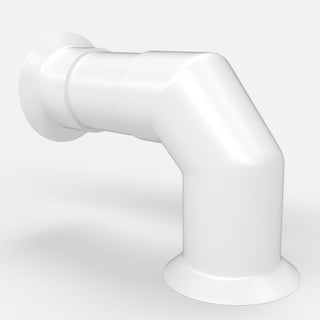
White Flue (Small)
The new small false flue from imaginfires adds another level of authenticity to your woodburner style biofire. Its just as easy to set up and use as your imagin biofire. Desig...
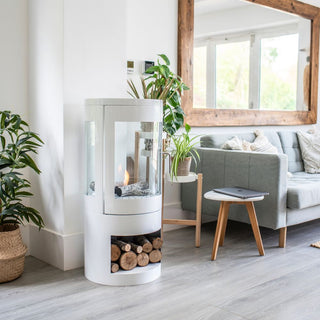
Howarth White
If you’re drawn to the stylish, sleek look of traditional Scandinavian stoves, but want to avoid the mess, cost, and restrictions of woodburners, the Howarth could be the perfec...
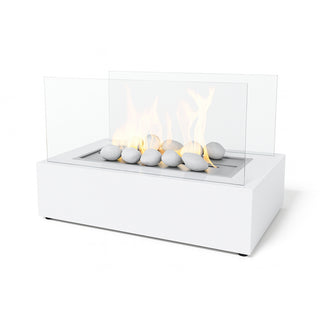
Eton White
The Eton Biofire burner box is a beautiful high grade stainless steel bioethanol fireplace insert with a smooth white gloss surround. This easy to use bioethanol burners box ...
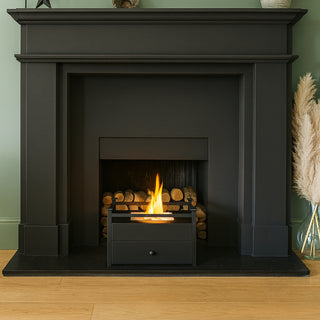
Arkle
Do you have an unused fireplace that you would love to have a real fire in but don't want to go through the expense or hassle of opening up the chimney? The Arkle bioethanol fi...
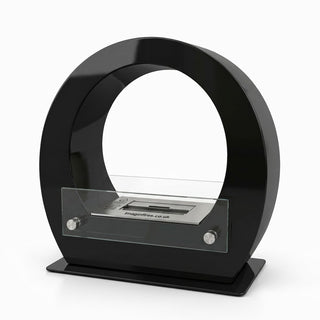
Boston Black
The Boston bioethanol fireplace is now available in a sleek black gloss finish. Just as portable and easy to use as the very popular white version, its created from powder coate...
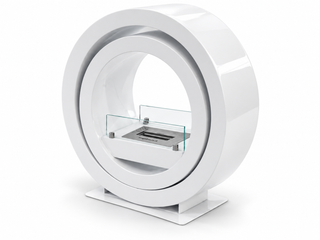
Globus White
The Globus Bioethanol Fireplace is a beautiful combination of aesthetic joy and functional simplicity. It features contemporary curves, two sections of 6mm tempered stay clear ...
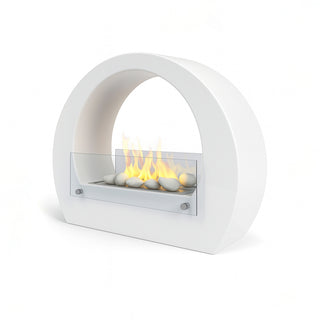
Boston White
***NOW AVAILABLE*** The Boston bioethanol fireplace is uniquely beautiful but as easy to set up and use as all our Biofires. The Boston is created from powder coated iron and a...
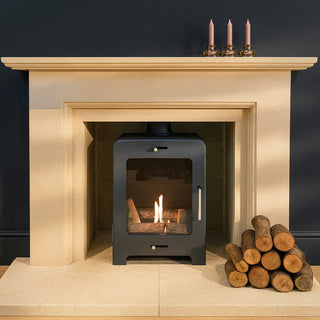
Moritz
The style of a contemporary wood burning stove with the simplicity and convenience of a bio fuel fire, with a subtle Graphite Grey coloured finish. No Installation needed, sav...
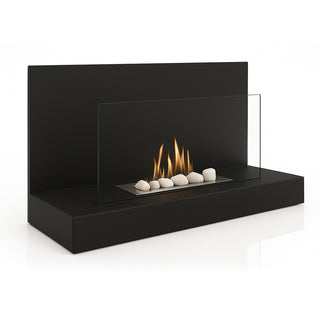
Alden Black
***NOW AVAILABLE*** One of our most desired contemporary Biofuel fires. The Alden is a wall mounted bio fire that looks superb inside or outside the home. A 6mm tempered stay c...
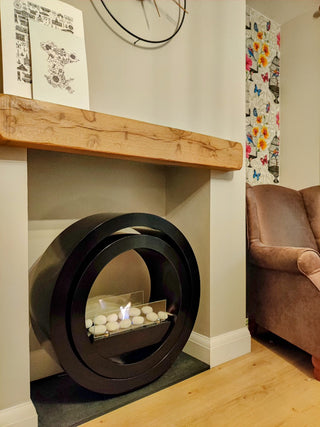
Globus Black
***NOW AVAILABLE*** The aesthetically pleasing Globus bioethanol fireplace is a real joy to look at and simple to use. This freestanding Bioethanol Fire features a gorgeous con...
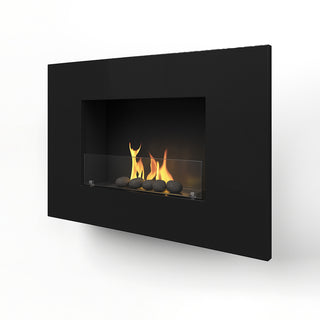
Arlington Black
***AVAILABLE TO PRE ORDER FOR DELIVERY MID NOVEMBER*** The Arlington Wall Mounted Bioethanol Fireplace is easily attached to a wall using the fittings supplied. Its gently flic...
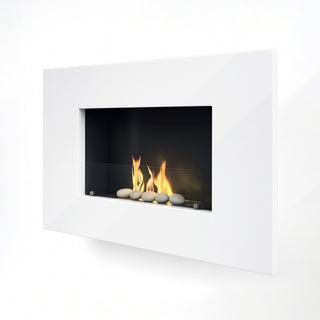
Arlington White
The Arlington Wall Mounted Bio Ethanol Fireplace is easily attached to a wall using the fittings supplied. Its gently flickering real flame enhances any external or internal sp...
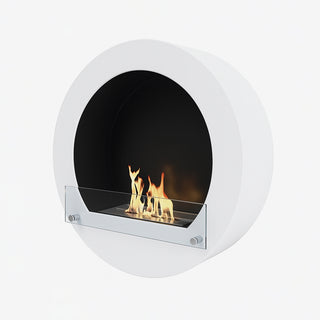
Henley White
This is a wonderfully contemporary wall mounted fireplace design that will look superb in any home. No chimney needed Burns without smoke 6mm Tempered Stay Clear Safety Glass ...
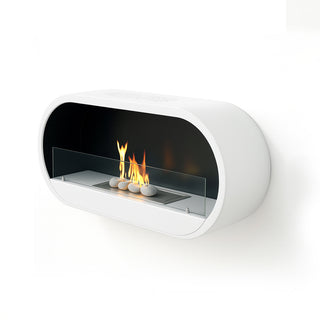
Marlow White
***NOW AVAILABLE*** This is a wonderfully contemporary wall mounted fireplace that will look superb in any home! No chimney required as it burns Smoke FREE ! Exclusive patente...
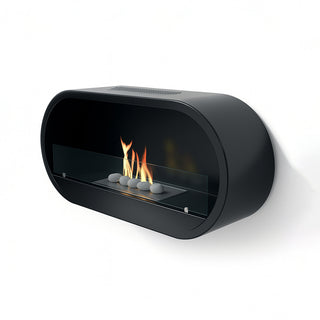
Marlow Black
***NOW BACK IN STOCK*** The beautifully curved Marlow Wall Mounted Bioethanol Fireplace is a wonderfully contemporary design that will look superb on the wall in any home. Inc...
No exact matches found. Try adjusting your selections.