Are Bioethanol Fireplaces Cost-Effective?

The short answer:
Wondering whether a bioethanol fireplace is actually worth the money and how bioethanol fireplace cost effectiveness compares to other fireplace options? Biofires don’t need a chimney or flue to use, making them far easier and cheaper to install than woodburners, and there’s very little ongoing maintenance to budget for. Instead of paying for annual servicing or chimney upkeep, your main cost is the fuel you choose to use. As an occasional or supplementary heat source, bioethanol offers excellent value for money; giving you real flames and warmth without the long-term costs that come with many traditional heating options.

When weighing up whether a bioethanol fireplace is cost-effective, you need to look beyond just the fuel prices. You need to consider whether it’s a sensible investment for your home, and whether it will cost more or less to live with than gas fires, woodburners, or electric fireplaces. That means thinking about the full picture: how much it costs to install in the first place, whether you’ll need ongoing servicing, and what hidden expenses may arise.
In this guide, we explore whether bioethanol fireplaces genuinely offer good long-term value, and what savings you can make versus other fireplace options.
How bioethanol fireplaces work
Before we dive into all things surrounding bioethanol fireplace cost effectiveness, let’s take a closer look at how these fireplaces actually work.
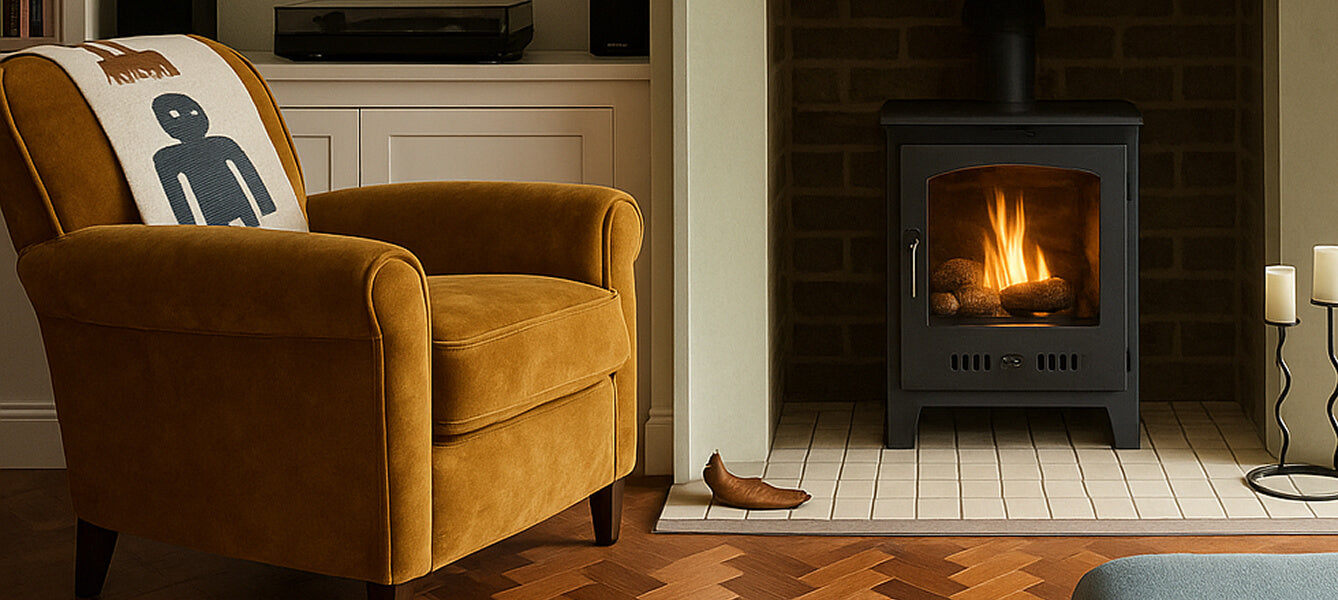
A bioethanol fireplace burns eco-friendly liquid bioethanol fuel, which you pour directly into the fuel box and light at arms length. Once lit, the fuel produces real flames and a gentle heat output (around 2kWh), with no smoke, soot, or harmful emissions to worry about. Because the fuel burns cleanly, there’s no need to install a chimney, flue, or external ventilation system.
This simple setup is one of the main reasons that bioethanol fireplaces are so appealing. There’s no connection to gas or electricity needed, and no complex components hidden behind the scenes. What you see is what you get: a steady, even flame, immediate heat, and a strong visual focal point.

Comparing the long-term costs of bioethanol with other fireplaces
Daily running costs
So, how much does it cost to run a bioethanol fireplace on a daily basis? Each litre of our bioethanol fuel costs around £3.91 and lasts at least 4 hours at full flame, with many of our customers reporting closer to 5 hours of burn time – giving you an average running cost of 78p per hour.
All our biofires feature an adjustable slider which allows you to control the flame size, meaning you can easily reduce the burn rate (and cost) by up to 50%. This means that your litre of fuel could actually last significantly longer than 5 hours, in turn driving that hourly running cost down even more.
Installation costs
One of the biggest long-term savings with bioethanol fireplaces comes from (the lack of) installation. Gas and electric fires require certified installation which could cost up to £1,000, while woodburners typically require a chimney, flue liner, ventilation upgrades, and structural work, adding up to £3,000 to your installation bill.
By comparison, our bioethanol fireplaces are exceptionally easy to install. Simply unbox your fireplace, place it in the perfect position, add your fuel, and ignite! There’s no need to fork out on expensive tools, tradespeople, or building work, making biofires the ideal solution for flats, new builds, and rental properties.
Maintenance costs
Ongoing maintenance is another area where bioethanol fireplaces shine. Gas fires require regular professional servicing to remain safe and compliant (costing up to £120 per year), while woodburners need annual chimney sweeping and general upkeep (costing up to £200 per year). Over time, these recurring costs can quickly add up, even if you’re not using the fireplace every day.
Bioethanol fireplaces, on the other hand, have no moving parts and no complex components to maintain. There’s no annual service schedule to budget for and no chimney to worry about; they simply require occasional cleaning and a bit of TLC to keep burning at their best. This makes them completely free to maintain.
Type of fireplace |
Typical running cost per hour |
Typical installation cost |
Typical maintenance costs per year |
Bioethanol |
78p |
£0 |
£0 |
Woodburner |
£1.25-£3 |
£1,500-£3,000 |
£120-£200 |
Gas |
21p-49p |
£450-£650 |
£70-£120 |
Electric |
18p-56p |
£400-£1,000 |
£0 |
Enjoy the beauty of real flames without the expense
At imaginfires, we believe that everyone deserves the joy of a real fire, no matter what their budget is. We supply a fantastic selection of bioethanol fireplaces to suit all interior design styles, from traditional woodburner-style biofires to contemporary statement models. With ranges starting from just £180, you can bring home the beauty of real flames without burning through your budget.
We also offer a range of decorative accessories, including ceramic pebbles, logs, and false flues, so you can complete that traditional fireplace look. And don’t forget to stock up on our high-purity bioethanol fuel for a smooth and efficient burn every time!
Your burning questions, answered
-
What is the running cost of a bio ethanol fireplace?
-
How do you properly maintain a bioethanol fuel box?
-
Will my bioethanol fireplace need professional installation?
-
How does a bioethanol fire work?