Designed in the UK
FREE Delivery*
Flexible Payment Options
  • Designed in the UK
  • FREE Delivery*
  • Flexible Payment Options
What is the Best Bioethanol Fuel for My Fireplace?

What is the Best Bioethanol Fuel for My Fireplace?

My Custom Image
Author
Imaginfires
Updated
Categories

The short answer:

The best bioethanol fuel for your fireplace is a high-purity formula, ideally around 96% ethanol content. Fuel purity directly affects the flame quality, scent, and the long-term performance of your fireplace. Lower-grade or cheaper fuels can burn unevenly, release stronger smells, and leave behind nasty residues in your fuel box. These impact both the safety and the longevity of your fireplace. imaginfires offers high-quality, low-odour fuel that keeps your fireplace performing at its best – as well as three scented options that add a subtle fragrance while burning. 

There’s no worse feeling than lighting your fireplace and being hit by an unpleasant odour. Or seeing the flame splutter and having to whisk your children or pets away to safety. In these situations, it’s not the fireplace that’s the problem – it’s the fuel.

Many people don’t realise just how important it is to choose the right bioethanol fuel for their fireplace. With so many different fuels on the market at different price points and purity levels, it can be tempting to reach for the cheapest option. But the reality is that this could be causing you, and your fireplace, more harm than good. 

We uncover the hidden truths about bioethanol fuel, looking at everything from purity and odour to safety and longevity, so you can choose the best option for your fireplace. 

Why fuel quality is so important

It’s important to note that not all bioethanol fuel is the same. Lower-quality fuels can have a negative effect on your experience using your fireplace. Here are the key differences between low-quality and high-quality fuels:

Odour

The scent is one of the first things you’ll notice when lighting your bioethanol fire. Low-quality fuels can emit unpleasant odours that linger in your room and take away from your enjoyment of the flames. On the other hand, high-quality fuels release very little scent. You may notice a faint odour upon lighting or when extinguished, but this quickly fades into the background. 

Longevity

The quality of fuel can also impact how your fireplace performs. Lower-grade fuels can leave harmful residues inside your fuel box that build up over time. These can affect how well your fireplace runs and potentially shorten its lifespan. High-quality fuels don’t leave any hidden nasties behind, helping to keep your fireplace looking and running at its best for longer.

Safety

This is the most important difference between bioethanol fuel grades. Low-quality fuels can burn unpredictably, producing a flame that can flare unevenly or be difficult to control. And what’s more, the residue left behind also introduces a fire risk. Higher-quality fuels burn in a more controlled and consistent way, helping to keep you and your family safe during use.

Things to consider when choosing your bioethanol fuel

Purity

Purity is the easiest way to tell whether a fuel is high-quality or not. When you look at the label, you’ll usually see a purity percentage (for example 96%). This essentially means the concentration of ethanol in the formula. The remaining percentage (4% in this case) is water and denaturants, which are substances added to make the fuel non-drinkable.

We recommend opting for a bioethanol fuel with at least 95% purity. At imaginfires, all our premium fuels have a minimum purity rating of 95%, helping to keep your fire burning at its best.

Burn time

The burn time helps you determine how far your fuel will go. A good-quality bioethanol fuel typically provides around 3.5-4 hours of burn time per litre on a full flame. Lower-quality fuels tend to burn faster and less efficiently, meaning you get fewer hours per litre and will end up having to restock more often. 

Our fuels provide at least 4 hours of burn time. If you want it to stretch even further, you can adjust your slider to reduce the flame size. This lowers the fuel consumption and helps you get the most out of every drop.

Cost in relation to value

It can be tempting to just order the cheapest bioethanol fuel out there. However, the price per litre doesn’t tell the whole story. Cheaper fuels are usually lower-purity and can damage your fireplace over time, so they’re not good value in the long run.

Our 12-pack of low odour fuel currently comes in at £46.99 for a one-off purchase. Or, you can opt for one of our subscription models to unlock even bigger savings. This works out at just 60p per hour of use, delivering much better value than a budget alternative.

Where to buy bioethanol fuel

You can buy bioethanol fuel from garden centres, DIY stores, online marketplaces, and specialist fireplace retailers. However, not all fuel is clearly labelled in terms of purity or origin, which can make it difficult to know exactly what you’re getting.

Specialist fireplace retailers are a more reliable option, especially if you can buy directly from the brand whose fireplace you own. That way, you can be confident that the fuel has been formulated and tested to deliver the performance that your fireplace deserves.

imaginfires offers a 12-pack of low odour fuel with 96%+ purity, as well as three scented options (vanillaforest, and woodland spice) that add a subtle aroma to your room while burning. We also have a 6-pack of mixed scents if you’d like to try all three. Our fuel is suitable for use in all manual bioethanol fireplaces, producing a steady and consistent flame with no hidden nasties. You can purchase our fuel at a one-off cost, or sign up to one of our subscription models to receive regular deliveries at a schedule that suits you. 

Frequently asked questions

  • What can you expect when burning imaginfires’ bioethanol fuel?

    When burning imaginfires’ bioethanol fuel, you can expect a stable orange-yellow flame, consistent heat output, and a clean burn with no smoke, soot or ash dirtying your home. You may smell a very faint odour when lighting (similar to lighting a candle), but this quickly disappears once the flame is established – allowing you to enjoy the warmth and atmosphere of real flames without lingering odours.

  • Where can I buy bioethanol fuel?

    Bioethanol fuel is widely available online and in some DIY stores, varying in price. Generally, we recommend buying your bioethanol in bulk - purchasing single-litre bottles is the most expensive way to stock up.

    Our volatile energy market hasn’t impacted the price of bioethanol. So, buying in bulk gets you the best price for your heating and could save you money compared to gas or electricity.

    Of course, the quality of bioethanol varies significantly, and poor-quality fuel offers shorter burn times and can give off an unpleasant odour.

    Our own-brand bioethanol fuel is called ImagiFuel, and we consider it the best you can get (at a very competitive price). You will receive 10% off the cost of any fuel and accessories when you purchase a fireplace at the same time via our website.

    Does bioethanol fuel smell?

    ImagiFuel bioethanol fuel burns cleanly, with a very low odour while burning. Sometimes, you'll notice a slight chemical smell when the flame goes out — this is typical of all bioethanol fuels. 

    Good quality bioethanol gives off a minimal odour that most people don't notice after using their fireplace a couple of times. However, cheap fuels can produce some unpleasant smells. 

    We also offer a range of scented fuels, with Vanilla, Forest, and Christmas fragrances — offering a delightful, cosy ambience while you heat your room.

    Can I burn anything other than bioethanol in a bioethanol fireplace?

    Please only use high-quality biofuels with at least 96.6% alcohol. 

    Never use any other fuel types, such as wood, paper, or coal in your bioethanol fireplace. These emit smoke, soot, and ash, which require a flue or chimney. 

    Bioethanol fireplaces don’t need an external flue or chimney. It’s entirely safe to burn ethanol indoors (as long as you ensure you stick to safety guidelines). However, you will need some ventilation to prevent stuffiness and let oxygen into the room while burning.

  • What is liquid bioethanol fuel?

    Both ethanol and bioethanol are alcohol — basically the same thing. However, bioethanol intended for fuel has an added denaturant that prevents human consumption.

    Bioethanol is made by fermenting the by-products of sugar and starch-bearing plants, such as cereals, sugar beet, maize, soybeans, wheatstraw, and corn, and has been used as a fuel for vehicles and heating systems since 1978. Considered a renewable source, burning bioethanol produces none of the toxic gasses associated with traditional fossil fuels. 

    Bioethanol burns cleanly without producing smoke, soot, or ash. In its liquid form, it leaves no residue, so there’s no cleaning up with a bioethanol fireplace. 

    Is it safe to burn bioethanol inside?

    The bioethanol supplied for bioethanol fireplaces, such as our own-brand ImagiFuel, is entirely safe for indoor fireplaces, which need neither a chimney nor a flue. 

    For this reason, bioethanol is the perfect choice for people who want a real fire but can’t install a chimney — excellent for use in an apartment, flat, or conservatory. You can get the look of a traditional fireplace or a wood-burning stove without all the mess and pollution associated with burning wood or coal. You can even get wall-mounted bioethanol fires that complement modern living spaces perfectly. 

    Can I use gel bioethanol in my biofire?

    There are two types of commercially available bioethanol fuel: gel and liquid. Gel fuels have a thick, waxy consistency and are more often used for outdoor biofires and camping stoves. Gels generally produce smaller flames and don’t burn as powerfully as liquid bioethanol. 

    Gels leave traces of residue after burning, while liquid bioethanol burns completely cleanly, leaving no residue at all. For this reason, never use bioethanol gel in your ImaginFires bioethanol fireplace — it could be dangerous. 

    Is the flame from gel bioethanol different from liquid bioethanol?

    As well as the difference in texture, liquid-based bioethanol produces a more aesthetically pleasing flame than gel-based fuels. Liquid bioethanol produces the same large orange flames as a traditional fire (once the fuel box has warmed up), while gel-based flames tend to remain blue and almost transparent. 

    Never use bioethanol gel in your ImaginFires fireplace. Only use liquid bioethanol approved for indoor use. And savour a safe, beautiful flame that transforms your living space with the unique cosiness of an open fire (without the existential guilt!).

  • How should I store the bioethanol fuel?

    Bioethanol is highly flammable, and we recommend caution in using and storing your fuel. Most bioethanol is supplied in air-tight bottles — the bottle must be air-tight, as ethanol evaporates if left open to the air. 

    Always store your bioethanol fuel away from potential fire sources and out of reach of children, pets, and animals. 

    All bioethanol supplied in the UK has a denaturing agent added — this makes the liquid poisonous, so NEVER drink bioethanol fuel.  

    Can I store bioethanol in the house?

    You can store sealed bottles of bioethanol in the house, as long as it’s away from any potential source of fire and extreme heat. Keep it in a cool, dry cupboard. 

    Never store bioethanol within 3m of your fireplace or any other heat/flame source. 

    Many people store their bioethanol fuel in their garage or garden shed. If you’re keeping it outside, ensure it remains in the shade, away from direct sunlight.

    Can I use cold bioethanol?

    If you’ve stored your bioethanol outside, the liquid may become too cold to light successfully. Bring it to room temperature (below 15°C) before you light it — that way, it will ignite more quickly. 

    The cheapest way to buy bioethanol fuel is in bulk — bringing the cost per litre down considerably. Many retailers sell individual 1-litre bottles for around £5-7. However, bought in bulk, you can bring the price of a litre of bioethanol fuel down to about £4. If you purchase 12 litres of our own-brand fuel, ImagiFuel, it costs just £3.75 per litre.

    Some of our customers store the majority of their fuel in the garage. However, we suggest transferring a couple of bottles at a time into the house to ensure that your fuel is at room temperature before you light it. 

    How do I dispose of bioethanol?

    Never dispose of bioethanol in your household drains. Please refer to your local council’s guidelines on the disposal of flammable/poisonous liquids. 

    Note that any unused fuel left in the fuel box will evaporate over time as it is an alcohol-based product.

  • How long does bioethanol fuel burn for?
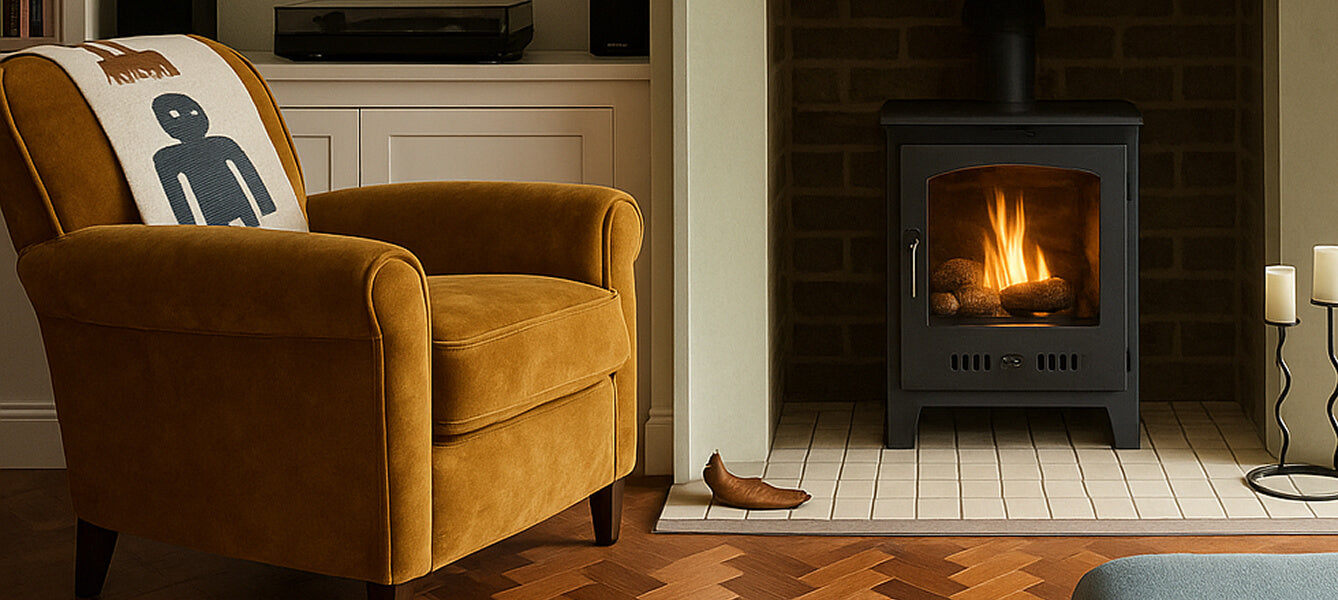
    Typically, 1 litre of bioethanol fuel burns for around 3.5 to 4 hours (with the shutter fully open).

    Closing the fuel box lid halfway increases the burn duration, but reduces the heat output and the flame size.  

    How long does ethanol fireplace fuel last in a larger fireplace?

    Larger bioethanol fireplaces (with bigger steel fuel boxes) burn bioethanol fuel at a faster rate than smaller bioethanol fireplaces. Generally speaking, fuel boxes with a smaller opening tend to burn for longer. 

    If burning bioethanol outdoors in windy conditions, the wind will make the fuel burn faster and shorten the total burn time.