What Does the Future of Bioethanol Fireplaces Look Like in 2026?

The short answer:
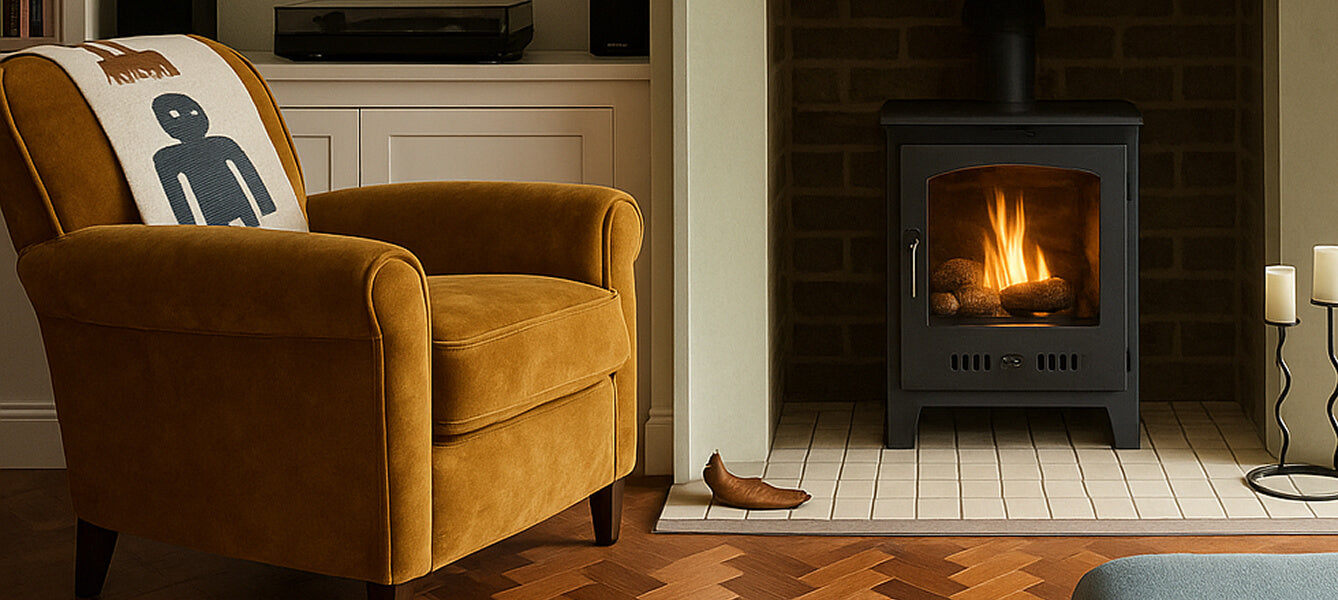
The future of bioethanol fireplaces is bright. Thanks to rising energy costs and smoke control areas, more and more homeowners are now moving away from smoky, maintenance-heavy woodburners and looking to bioethanol fireplaces as a sustainable home heating method. The fireplace trends for 2026 have moved from large glossy statement pieces towards classic woodburner designs, and imaginfires predicts that this evolution will continue to grow in the year ahead.

An exciting new era for home heating
The way we heat our homes is changing faster than ever. In 2026, homeowners aren’t just weighing up which fireplaces look good, but which ones align to a more eco-friendly lifestyle. Traditional woodburners were once the hallmark of cosy living rooms, but they’re now facing increased scrutiny for their harmful carbon emissions, high maintenance demands, and rising running costs.
As a result, bioethanol fireplaces are stepping confidently into the spotlight in 2026. Here’s what we can expect in the world of biofires in the year ahead…
Why interest in bioethanol fireplaces is accelerating
Smoke control areas
Many UK towns and cities, including Central London, Manchester, Sheffield, Leeds, Birmingham, Bristol, Newcastle, Oxford and more, are now designated ‘smoke control areas’. This means that households in these areas must not emit smoke from a chimney and can only burn authorised fuel (excluding wood). The number of UK cities joining this list is only expected to grow, so it’s increasingly likely that your area could fall under smoke-control rules by 2026 if it hasn’t already.
If you find yourself living in a smoke control area, you might need to explore cleaner-burning, smoke-free alternatives to traditional woodburners. Bioethanol fires burn sustainable plant-based fuel (bioethanol) and produce no smoke or carbon emissions, allowing you to experience the joy of real flames without breaking regulations or impacting the environment.

Rising costs of solid fuels
The price of firewood has increased dramatically in recent years. You could find yourself paying up to £500 for a tonne of kiln-dried hardwood in 2026; an increase of around 40-50% compared to 2023. Cost of living is still a major consideration for many of us, so you might need to explore alternative ways to heat your home that are more efficient and cost-effective than using a woodburner.
In comparison, imaginfires’ bioethanol fuel currently costs £46.99 for a 12-pack. With each litre giving approximately 4 hours of burn time, this means that your bioethanol fire will cost just 97p per hour to run, which is significantly cheaper than the typical running cost of £1.25-£3 per hour for a woodburner.

Exploring the bioethanol fireplace trends for 2026
Bioethanol fireplace design preferences have shifted dramatically over the last few years, and this evolution is expected to continue throughout the year. Spaces that were once dominated by large glossy statement pieces (like the Globus) gradually moved towards sleek white centrepieces (like the Howarth).
Now, our woodburner-style bioethanol fireplaces are becoming much more popular, giving you that real flame experience without any of the hassle. The Burford, Howarth Black, and Bredon are our most-loved models currently, and we expect their popularity will continue to soar in 2026.
When it comes to accessories, our ceramic logs and pebbles are becoming much less of a decorative afterthought than in previous years. More and more customers are now also choosing our false flues to achieve a more timeless fireplace look that sits beautifully in any interior design scheme.
Will bioethanol fireplaces become more popular in 2026?
All the signs point firmly to yes! Bioethanol fireplaces are the perfect sustainable home heating method, allowing you to experience the comfort of real flames without any of the maintenance drawbacks or environmental damage that comes with woodburners. They’re the ideal solution for homes in smoke control zones, rented accommodation, and compact flats/apartments where traditional fires simply aren’t possible. 2026 is set to be a milestone year for these innovative fires, and we’re looking forward to bringing the beauty of real fire into many more households this year.
Browse our range of bioethanol fireplaces and get ready to enjoy real flames in a cleaner, greener way.
Your burning questions, answered
-
Where can I buy bioethanol fuel?
-
Do bioethanol fireplaces create smoke or soot?
-
What is the running cost of a bio ethanol fireplace?
-
Can bioethanol fireplaces be used in a small house?